The year 2025, much like 2024 before it, has been marked by profound shifts for the world and for sustainability science. In this context, deepening collaboration and renewing our ways of working have been crucial in advancing the Pathways Initiative objectives. Throughout the year, we reflected on how best to support sustainability science in an increasingly complex global landscape.
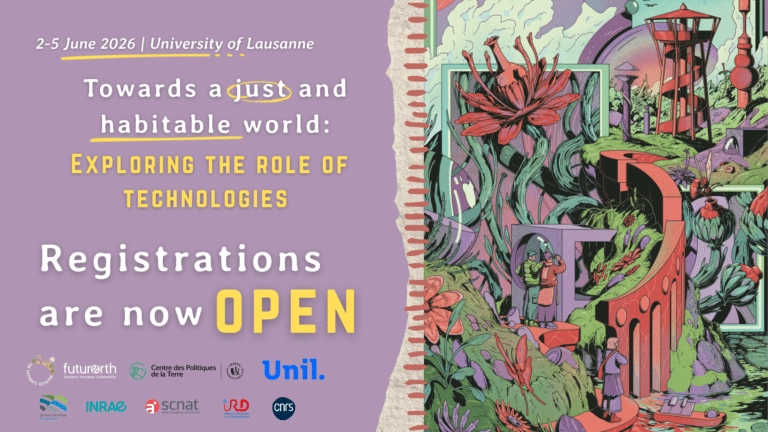
These reflections guided us in two complementary directions. First, we reinforced our core activities – the French Sustainability Science Conference, the Autumn School, and the Communication Grant Programme – while adapting their formats and content to address emerging trends facing researchers today. We also launched two new activities designed to better respond to evolving challenges and to place collaboration at the heart of our work: the Ajalala Programme and the Deep Dive, a major evolution of our former Pathways Forums.
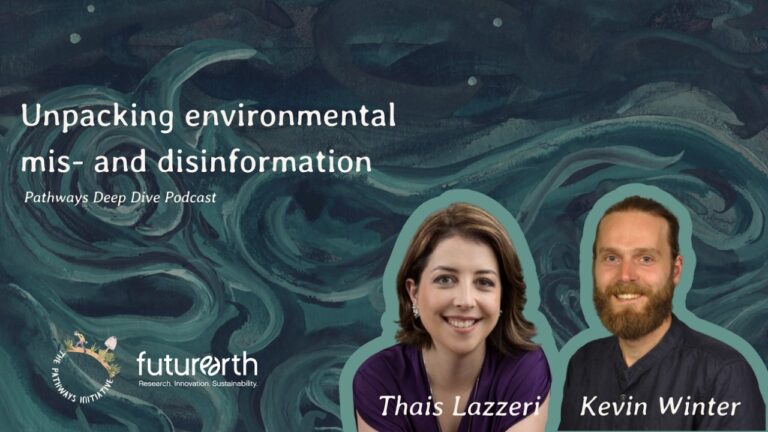
A notable milestone this year has been the launch of the Pathways Deep Dive. While keeping the Pathways Forums’ original goal of exploring pressing sustainability topics, the Deep Dive takes a bolder approach: it expands collaborations, deepens reflection, and experiments with diverse formats – webinars, surveys, interviews, scientific mediation, and many more – to better capture the complexity of today’s sustainability challenges. Each year, the Deep Dive will focus on a different theme of particular relevance, informing and connecting with our other core activities.
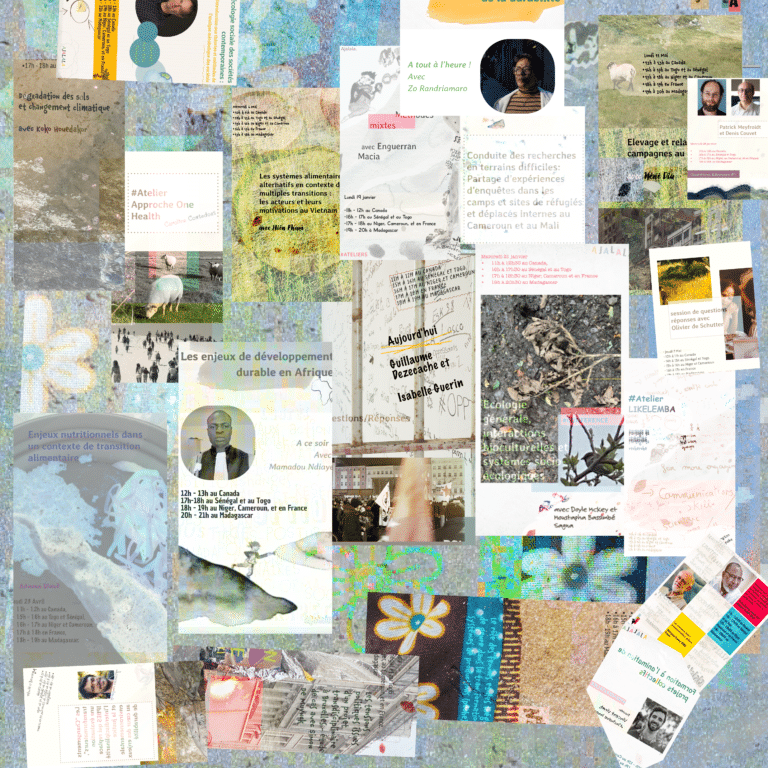
Another major achievement was the launch of the Ajalala Programme, co-developed by the Pathways Initiative and universities in Cameroon, Canada, France, Senegal, Niger, Madagascar and Togo. In response to a world characterized by growing fragmentation, Ajalala is a training programme which seeks to strengthen skills for transformative sustainability science and knowledge exchange across countries and continents.
This report provides a detailed overview of the achievements, projects and collaborations that shaped our 2025 and outlines the directions that will shape our work in the years ahead. We hope you enjoy reading.